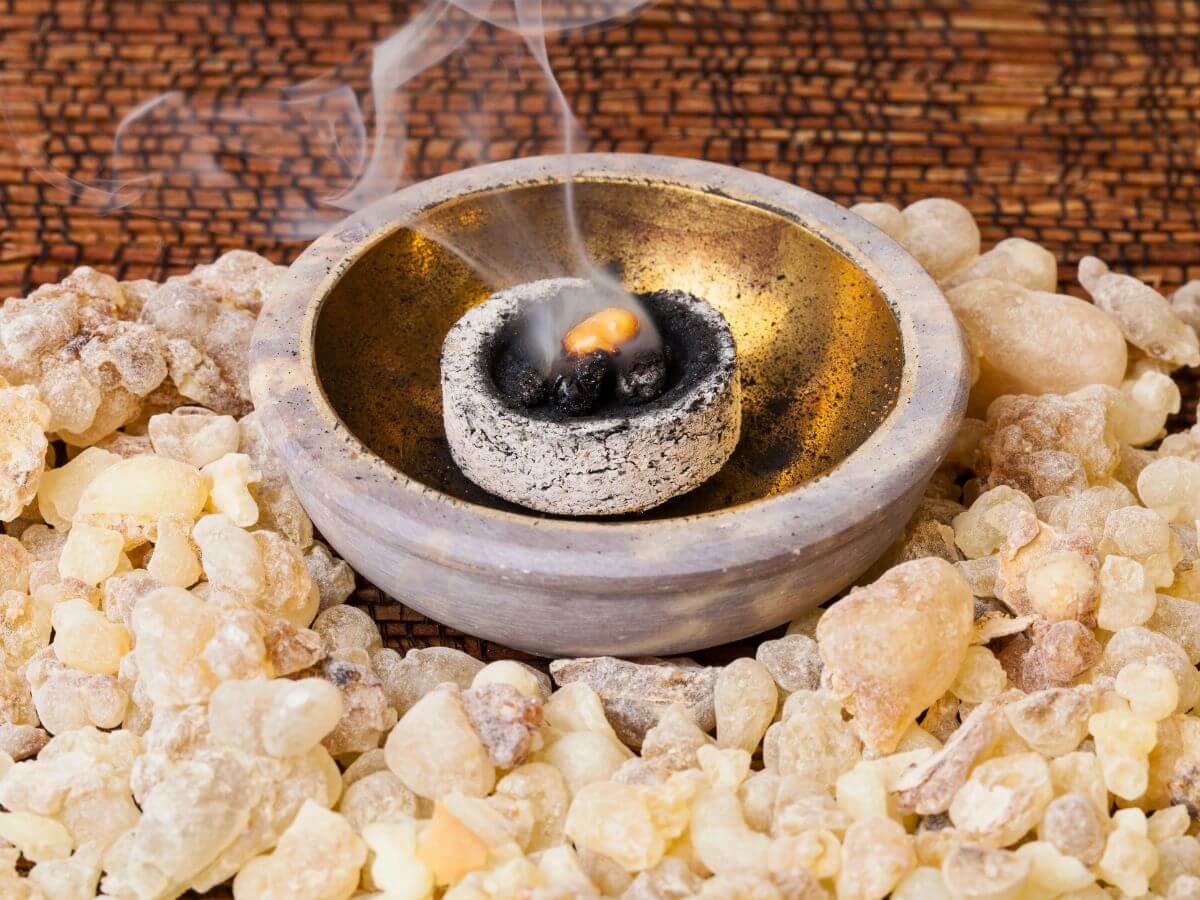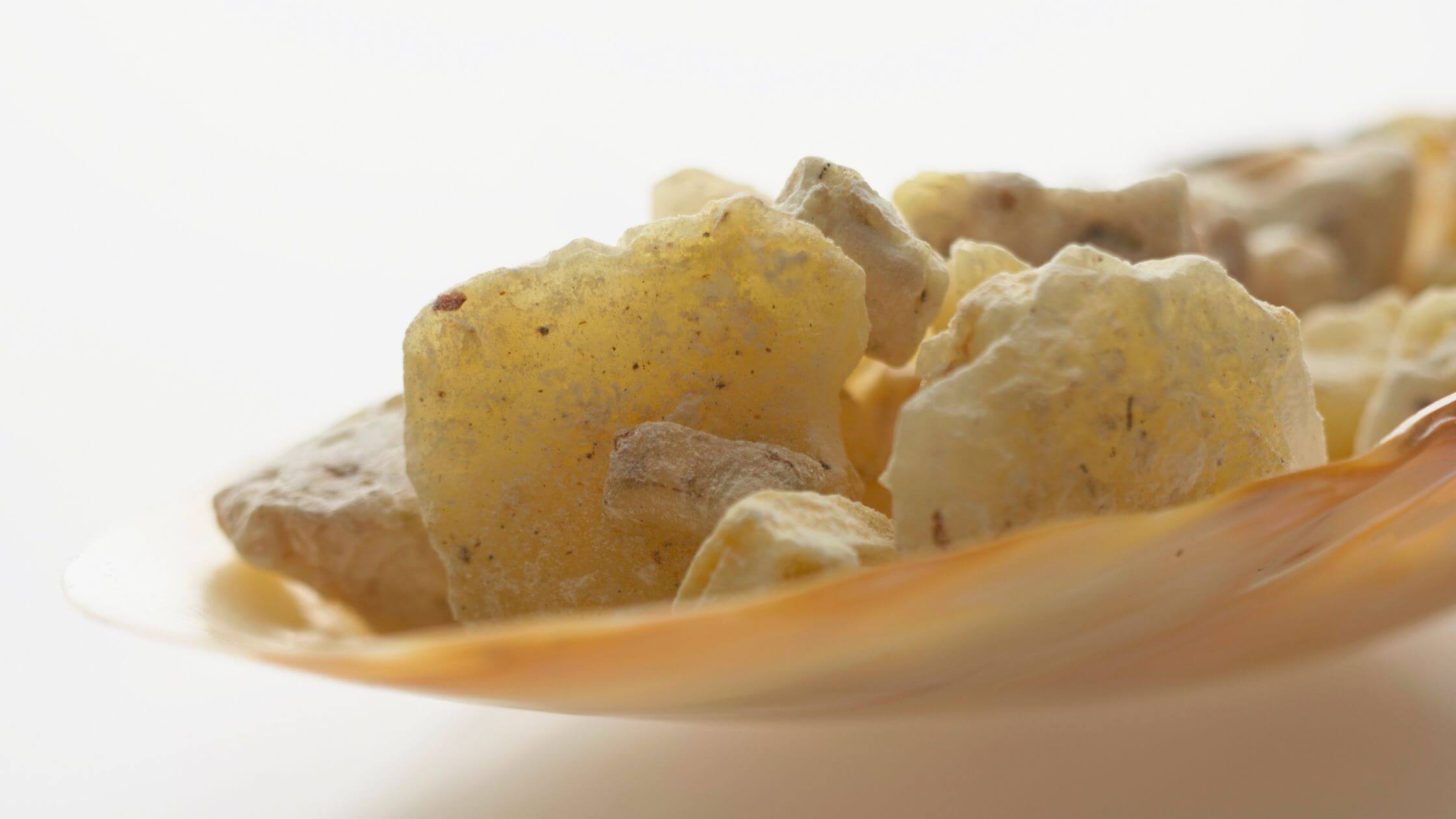
Frankincense in Arabic cultures holds an aura that transcends mere commercial value. It has weaved its fragrant tendrils deep into the heart of stories, legends, and traditions of the Arab world. A resin that’s as ancient as the sands of time, its origins and uses have shaped narratives that still echo across the dunes and cities of the Middle East.
As we journey through the annals of Arabic history, frankincense emerges not just as a tradable commodity, but as a symbol, an inspiration, and a testament to the wealth and richness of Arabic culture. In the legends that follow, we’ll unearth the profound role frankincense has played, revealing facets of a past where this precious resin was more than just an aromatic substance—it was the stuff of legends.
From tales of traders on the Silk Road to poetic verses that captured the essence of the desert nights, frankincense in Arabic lore has been immortalized in myriad ways. Join us as we explore five captivating Arab legends that delve deep into frankincense’s historical roots, casting light on its enduring significance in a culture that has long revered it.
frankincense burning
1. Frankincense in Arabic Trade Tales
The Silk Road, a network of trade routes that connected the East to the West, was a marvel of ancient commerce and cultural exchange. This vast, intricate web of pathways witnessed merchants, pilgrims, and adventurers trading everything from spices to precious gems. Within the annals of its rich history, frankincense in Arabic commerce stands out as a unique tale of its own.
For the Arab world, the Silk Road wasn’t just a route for material goods; it was a bridge of ideas, art, and innovations. Amidst this bustling exchange, frankincense emerged as one of the most sought-after commodities. Originating from the arid landscapes of the Arabian Peninsula, this fragrant resin soon found its way into markets from China to the Mediterranean.
As caravans trekked across deserts under the scorching sun, laden with goods, frankincense became synonymous with wealth and affluence. Its distinct aroma wafted through bazaars and trading centers, signaling not just its physical presence but its monumental significance in the world of trade. Moreover, its rarity and the challenging process of harvesting it only added to its value.
Soon, tales of this aromatic gold began to spread, solidifying the reputation of frankincense in Arabic trade circles. Merchants spoke of its origin, of the brave harvesters who would brave the elements to tap the Boswellia trees, and of the lands where the air was thick with its scent. Frankincense, thus, wasn’t merely a trade item; it was a narrative of the Arabian spirit, tenacity, and the region’s contributions to the global trade tapestry.
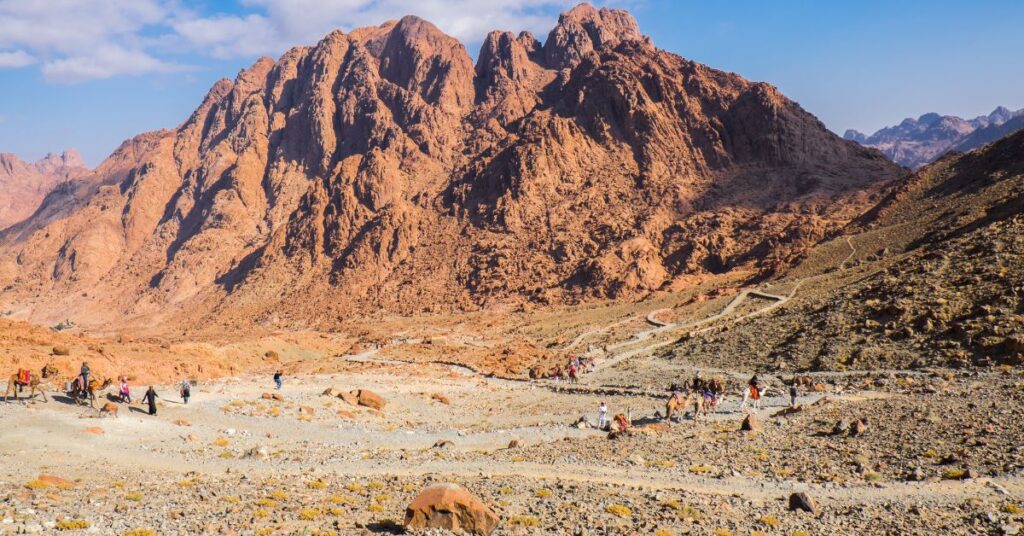
Frankincense trade route
2. Caravans and Frankincense in Arabic Journeys
Across the vast stretches of the Arabian Peninsula, a sight that was both iconic and representative of its vibrant culture was that of caravans. Meandering through golden dunes and rocky terrains, these caravans weren’t just groups of travelers; they were mobile microcosms of Arabic society, carrying with them tales, goods, and the spirit of the desert.
Within this dynamic ecosystem of the caravan, frankincense in Arabic journeys assumed a special place. It wasn’t just a resin; it was a testament to the Arabian Peninsula’s gifts to the world. Each bead of frankincense encapsulated the essence of the desert — its mystery, its allure, and its timeless beauty.
As caravans made their way from one settlement to another, the tale of frankincense intertwined with their own. It was bartered in distant markets, used as a token of goodwill in diplomatic endeavors, and sometimes, even as currency in places where its value was recognized and revered. The scent of burning frankincense would often signal the arrival of a caravan long before it was visible on the horizon, its aromatic signature heralding tales of far-off places.
But beyond its economic value, frankincense played a symbolic role in these journeys. It represented the heart of the Arabian landscape, a product of its rugged terrains and scorching heat. To have it in one’s possession, to trade it, or even to gift it was to share a piece of the desert, a fragment of home. It became a silent storyteller, whispering tales of Arabic journeys, of nights under starlit skies, and of the eternal dance of caravans against the backdrop of an endless desert.
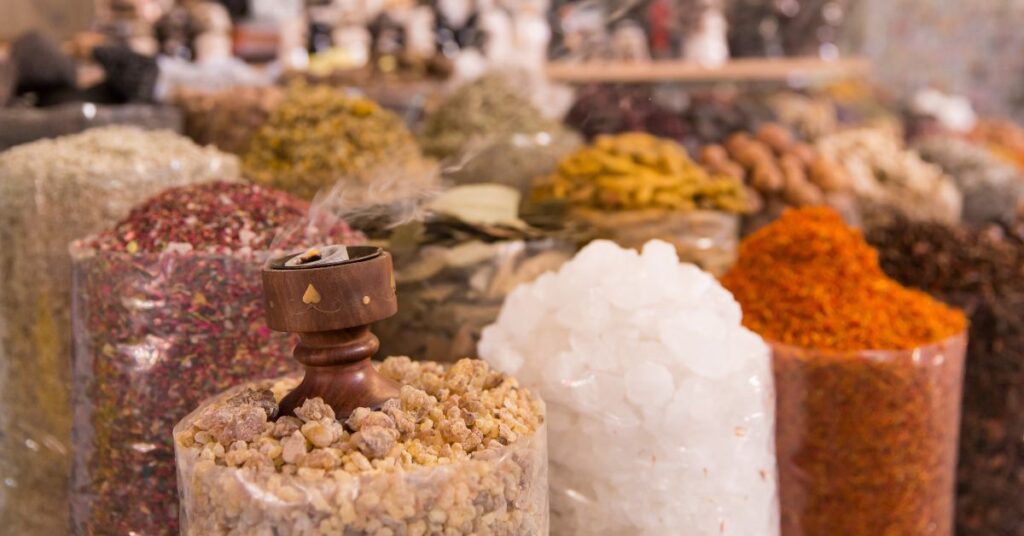
Frankincense for sale
3. Architectural Marvels and Frankincense in Arabic Palaces
Stepping into the heart of the Arabian world, one is instantly captivated by the architectural wonders that dot its landscape. From the ornate designs of Alhambra in Spain to the intricate details of the palaces in Riyadh, the grandeur of Arabic palaces is unparalleled. These structures, which have stood the test of time, are not just silent witnesses to the region’s glorious past but are embodiments of its cultural and aesthetic richness.
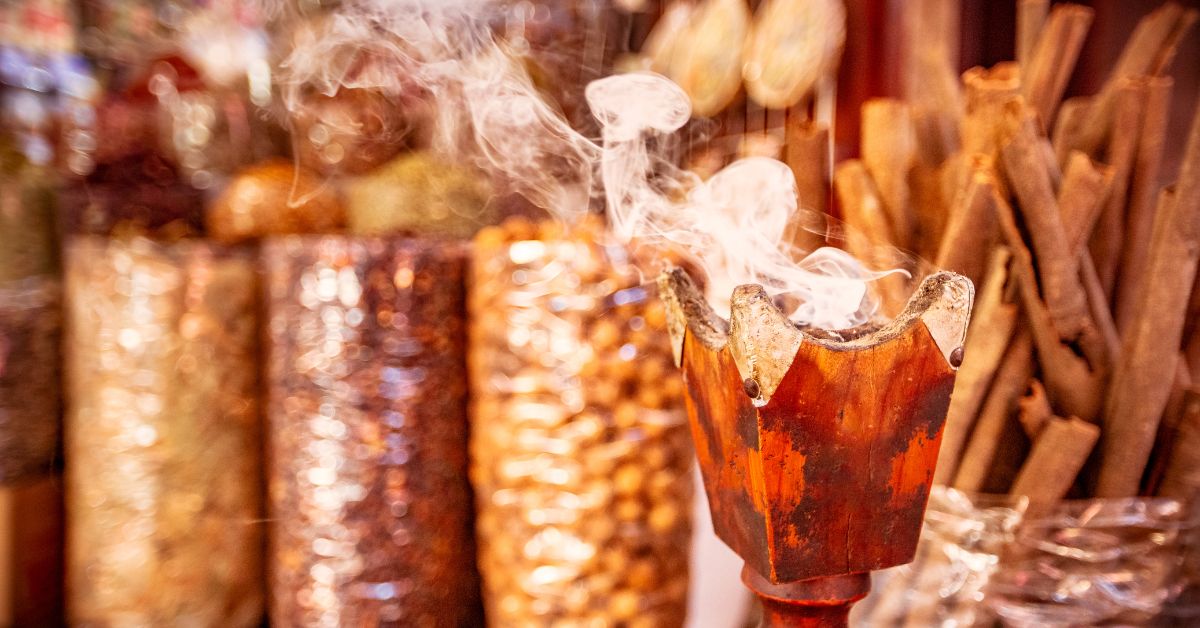
In these grand palaces, frankincense in Arabic traditions held a revered place. It wasn’t merely about the aroma but the aura it lent. As guests walked through the grand courtyards and ornate hallways, the air was often laden with the rich, heady scent of frankincense. This resin, often burned in ornate incense burners, added to the ambiance, turning every corner of the palace into a sensory experience.
But why frankincense? Beyond its pleasing fragrance, frankincense in Arabic palaces was a symbol of royalty and prestige. To be in its presence was to be in the company of kings and queens. It represented luxury, a product not just of its economic worth but of its cultural significance. In ceremonies, gatherings, and royal events, the burning of frankincense was as pivotal as the event itself. It marked moments, sanctified spaces, and lent an air of authority and grandiosity.
Within the walls of these architectural marvels, frankincense was more than just a scent. It was a statement. It whispered tales of conquests, of alliances formed in its fragrant embrace, and of the opulence that was synonymous with Arabic royalty. As time has passed and the world has evolved, the legacy of frankincense in these palaces remains, an eternal reminder of an era where aroma intertwined with royalty.
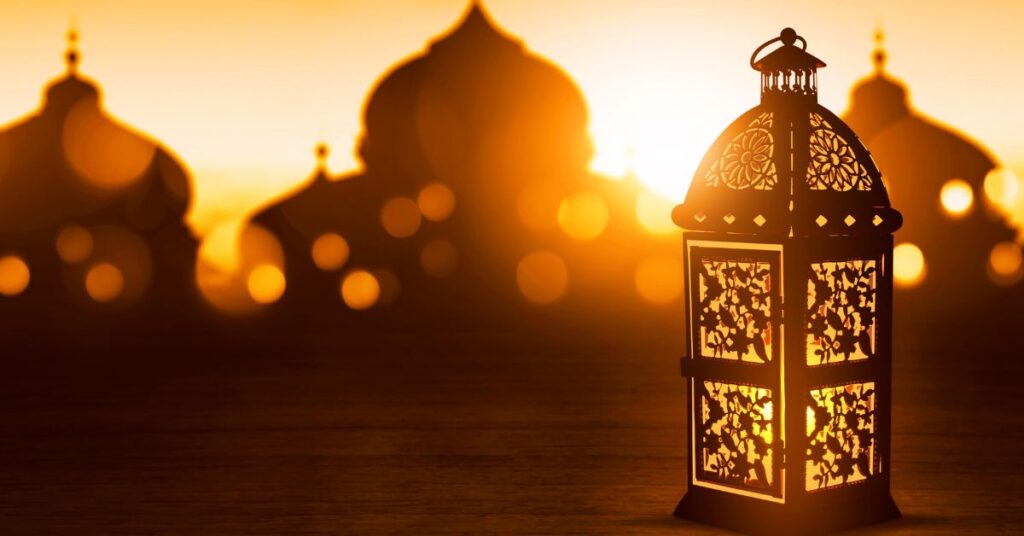
Frankincense in palaces
4. Bedouin Tribes: Frankincense in Arabic Nomadic Tales
The vastness of the Arabian desert is punctuated by more than just its dunes and oases; it’s enlivened by the tales and traditions of its original inhabitants: the Bedouin tribes. These nomadic people, with their tents and camels, have roamed the deserts for centuries, embodying the true spirit of endurance, adaptability, and deep respect for the land they call home.
Amidst the seemingly endless stretches of sand, the Bedouin tribes lead a life that’s both simple and deeply rooted in tradition. Their mobile existence is a testament to their ability to navigate and thrive in the harsh desert environment. Stories of their journeys, their encounters, and their deep bond with the desert landscape form an integral part of Arabic lore.
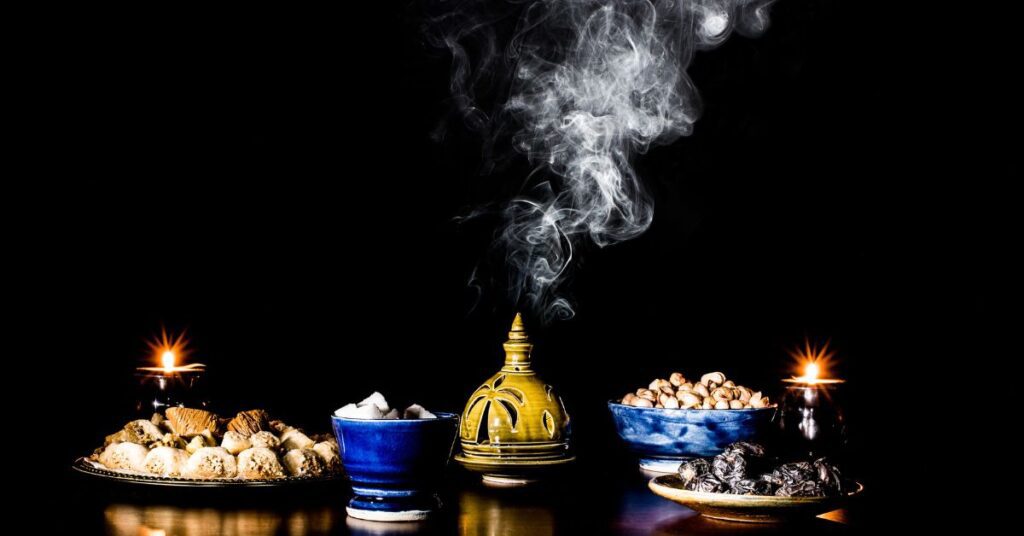
Central to many of these tales is frankincense. In Arabic nomadic traditions, frankincense isn’t just a fragrant resin; it’s an emblem of hospitality and a bridge between hosts and guests. Within the folds of their tents, a visitor is often welcomed with the soothing aroma of burning frankincense, a gesture that transcends mere formality. It’s a symbol of honor, respect, and a shared moment of serenity amidst the vastness of the desert.
For the Bedouin, frankincense also weaves its way into tales of trade, barter, and journeys to distant lands. As they traversed trade routes, this coveted resin often played a role in their interactions, sealing bonds, and fostering relationships. But beyond its trade value, frankincense in their tales was a reminder of the desert’s gifts, of its mysteries, and of the interconnectedness of life, land, and tradition.
In the heart of the desert, under a canopy of stars, the burning of frankincense by a Bedouin tribe is more than a ritual. It’s a homage to their roots, a nod to their nomadic heritage, and a shared moment that binds guests and hosts in a dance as timeless as the desert sands themselves.
5. Poetic Inspirations: Frankincense in Arabic Literature
Arabic literature, with its rich tapestry of emotions, imagery, and depth, has been a beacon of cultural expression for centuries. Within this vast ocean of words, certain themes resonate deeply, transcending time and space. Among them, the allure of frankincense in Arabic poetry stands as a testament to the resin’s deep-seated influence on artistic expression.
The scent of frankincense, ethereal and evocative, has been a muse for poets of old. Its fragrance, reminiscent of the desert’s mystique and the tales of caravans that once traversed the sands, found its way into verses that sung praises of love, longing, and the ephemeral nature of existence. The wisps of its smoke, rising gracefully, became metaphors for aspirations, dreams, and the transient nature of life.
Several notable poets have been enchanted by frankincense’s allure. For instance, the famed poet Al-Mutanabbi often wove the essence of frankincense into his verses, using it as a symbol of nostalgia, the passing of time, and the interplay of sensory experiences in evoking memories. Likewise, poets like Abu Nuwas celebrated frankincense in their odes to the pleasures of life and the moments of reprieve it offered in gatherings and festive moments.
But why did frankincense feature so prominently? Beyond its aromatic properties, frankincense in Arabic poetry represented a bridge between the tangible and the intangible. Its resin, sourced from the heart of the desert, and its fragrance, which lingered long after the flames had died, resonated with the poetic themes of continuity amidst change, presence in absence, and the eternal dance of the transient and the everlasting.
In the annals of Arabic literature, frankincense emerges not merely as a subject but as a companion to poets, a silent witness to their musings, and an ever-present thread that binds verses with the rhythms of life, nature, and the cosmos. Its legacy in Arabic poetry is a beautiful reminder of how nature, in its myriad forms, inspires art, thought, and expression.

Frankincense’s role in literature
Conclusion:
Throughout our exploration, one element has been a constant: the enduring legacy of frankincense in Arabic culture. Whether through the bustling bazaars of ancient trade routes, the regal hallways of grand palaces, the resilient journeys of Bedouin tribes, or the poignant verses of celebrated poets, frankincense has woven itself seamlessly into the tapestry of Arabic legends and traditions.
These stories and narratives offer us more than just historical accounts. They present a vibrant mosaic of a culture that reveres frankincense, not just for its aromatic qualities, but for its deep-seated symbolic significance. It stands as a testament to the desert’s gifts, a bridge between the past and the present, and a beacon of hospitality, honor, and tradition.
As we step back and reflect, it’s evident that frankincense’s influence in Arabic legends is not just about the resin or its fragrance. It’s about connections, memories, and a shared heritage. These legends shape our understanding, ensuring that even as times change, the stories of frankincense in Arabic culture continue to resonate, enlightening future generations about a world where every bead of resin held a tale, every wisp of smoke whispered a legend, and every aroma evoked a rich, shared history.
In the end, frankincense in Arabic legends emerges as more than just a subject of tales. It becomes a mirror, reflecting the soul of a culture, its values, aspirations, and the timeless bond between land, people, and heritage.